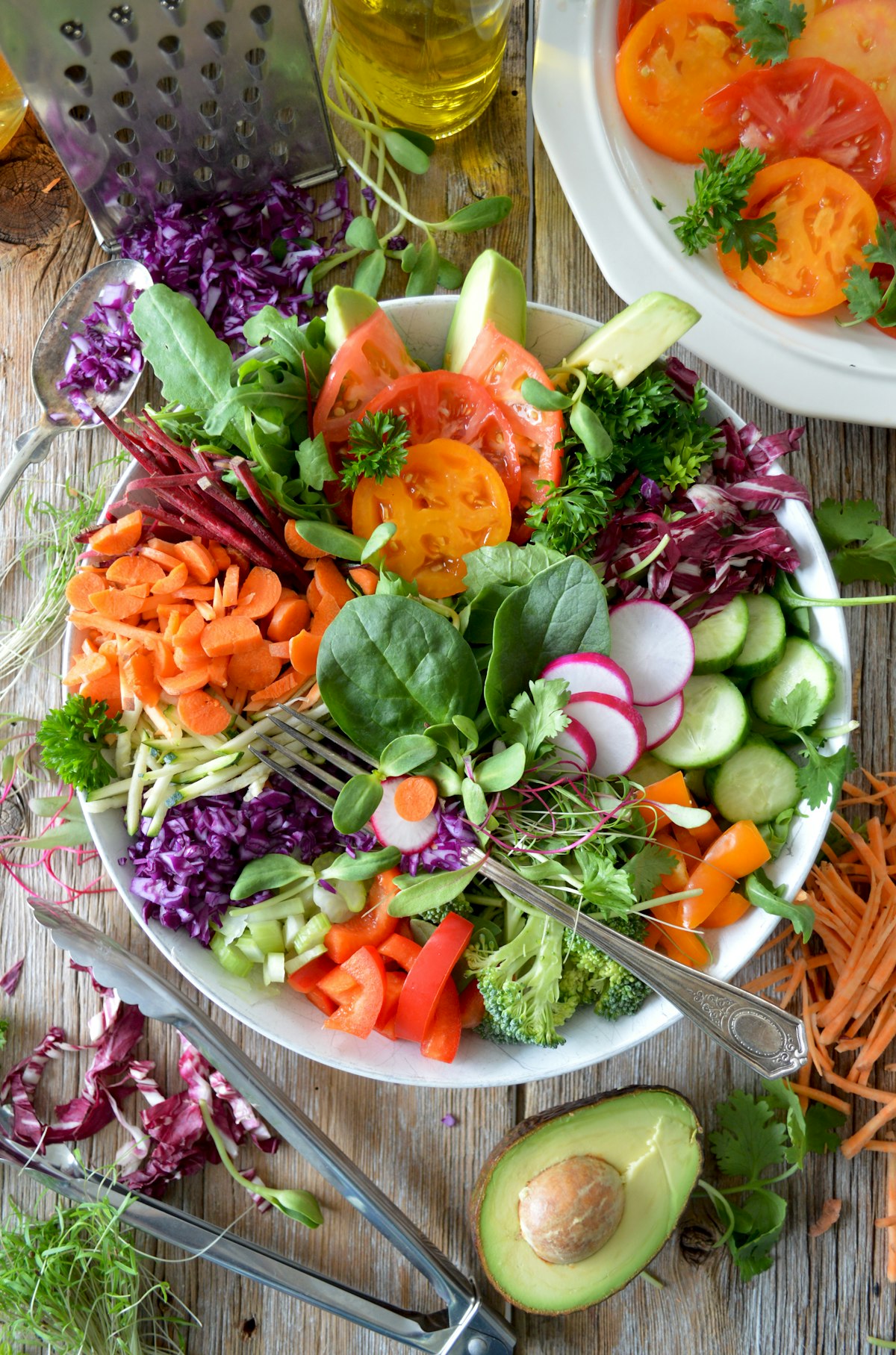
Vegan diets are consistently associated with lower body weight in observational research — vegans tend to have lower BMIs than omnivores on average. But correlation isn't causation, and the mechanism matters: vegans don't lose weight because veganism is magical. They lose weight because plant-based diets are typically higher in fibre, lower in calorie density, and naturally limit many high-calorie processed foods. The same principles apply if you deliberately apply them.
Does a Vegan Diet Cause Weight Loss?
The evidence is positive but nuanced. A 2016 meta-analysis of 12 randomised controlled trials found that vegan diets produced greater weight loss than omnivorous comparison diets over the same period — an average of 2.02 kg more lost. This held even when studies didn't explicitly restrict calories.
The mechanism appears to be a combination of: higher fibre intake (improves satiety), lower energy density of plant foods (you eat a larger food volume for fewer calories), reduced intake of calorie-dense animal fats, and — in many studies — increased health consciousness in self-selected vegan populations.
Getting Enough Protein on Vegan
This is the real challenge. Protein is the most satiating macronutrient and essential for preserving muscle during a calorie deficit — and plant proteins generally have lower bioavailability and different amino acid profiles than animal proteins. The solution is not to avoid the issue but to plan around it.
| Plant Protein Source | Protein per 100g (cooked) | Notes |
|---|---|---|
| Seitan (wheat gluten) | ~25g | Highest protein density — not suitable for gluten intolerance |
| Tempeh | ~19g | Fermented soy — better digested than tofu, rich in probiotics |
| Edamame | ~11g | Complete protein — contains all essential amino acids |
| Tofu (firm) | ~10g | Versatile, takes on flavours well |
| Lentils | ~9g | Also high in fibre and iron |
| Black beans / chickpeas | ~8–9g | Affordable, high fibre, good satiety |
| Quinoa | ~4g | Complete protein — use as rice alternative |
For weight loss on a vegan diet, aim for 1.6g protein per kg bodyweight. For a 70kg person, that's 112g/day. This requires deliberate planning — build every meal around a protein source (tempeh, tofu, legumes, seitan) rather than treating protein as an afterthought.
7-Day Vegan Meal Plan for Weight Loss
Targets approximately 1,600–1,800 kcal and 100–120g protein per day. Adjust portions to your calorie needs.
Breakfast: Overnight oats with oat milk, chia seeds, frozen blueberries, 2 tbsp hemp seeds · Lunch: Lentil soup with wholegrain bread · Dinner: Tofu stir-fry with broccoli, pak choi, edamame, brown rice · Snack: Apple + 2 tbsp almond butter
Breakfast: Smoothie: pea protein powder, spinach, banana, oat milk, flaxseed · Lunch: Chickpea and roasted veg wrap with hummus · Dinner: Tempeh bolognese with lentil pasta and nutritional yeast · Snack: Edamame (150g)
Breakfast: Tofu scramble with spinach, peppers, turmeric, whole wheat toast · Lunch: Black bean and quinoa salad with avocado and lime · Dinner: Yellow dal (lentil curry) with cauliflower and brown rice · Snack: Hummus with carrot and cucumber sticks
Breakfast: Chia pudding (oat milk, chia seeds, vanilla) with mango chunks · Lunch: Seitan and vegetable stew · Dinner: Stuffed peppers with black beans, quinoa, corn, and salsa · Snack: Handful of mixed nuts (30g)
Breakfast: Protein oats with pea protein, banana, peanut butter · Lunch: Tofu Buddha bowl with roasted sweet potato, kale, tahini dressing · Dinner: Chickpea tikka masala with brown rice · Snack: Vegan Greek-style yogurt with berries
Breakfast: Wholegrain pancakes (oat flour, banana, oat milk) with fresh fruit · Lunch: Tempeh Caesar-style salad with nutritional yeast dressing · Dinner: Lentil shepherd's pie with mashed sweet potato topping · Snack: Roasted chickpeas (50g)
Breakfast: Avocado toast on rye with hemp seeds and cherry tomatoes · Lunch: Hearty minestrone soup with white beans and whole wheat pasta · Dinner: Teriyaki tofu with bok choy, sesame-roasted broccoli, brown rice · Snack: Protein smoothie with pea protein and berries
Vegan Diet Pitfalls That Cause Weight Gain
- Relying on vegan junk food. Oreos, crisps, chips, vegan cheese, oat milk lattes — technically vegan, nutritionally empty. These foods are high calorie and low satiety.
- Eating too much fruit. Fruit is healthy, but 3–4 pieces per day adds significant sugar. Berries are the best choice; limit tropical fruits.
- Oversized nut and seed portions. Almonds, cashews, sunflower seeds, tahini, and nut butters are very high in calories. A serving is 30g/1 tablespoon — easy to eat 3× that without noticing.
- Too many carbs, not enough protein. Without deliberate protein planning, vegan diets easily become high-carb, low-protein — which reduces satiety and makes maintaining a deficit harder.
- Assuming vegan = healthy. Switching to vegan processed food (vegan sausages, burgers, ready meals) doesn't produce the health benefits of a whole-food plant-based diet.
Essential Supplements on Vegan
- Vitamin B12 (essential): Completely absent from plant foods. Deficiency causes neurological damage over time. Take 25–250mcg daily or 2,000mcg weekly.
- Vitamin D3 (vegan algae-based): Most people are deficient regardless of diet; vegans lose the incidental D3 from oily fish and egg yolks.
- Omega-3 (algae-based DHA/EPA): Plant foods contain ALA (from flaxseed, walnuts) but conversion to DHA/EPA is inefficient. Algae-based supplements provide direct DHA/EPA.
- Iodine: Found mainly in dairy and seafood. Vegan sources are limited — supplement or use iodised salt.
- Calcium: Achievable through diet (fortified plant milks, tofu, leafy greens) but check you're hitting 1,000mg/day.