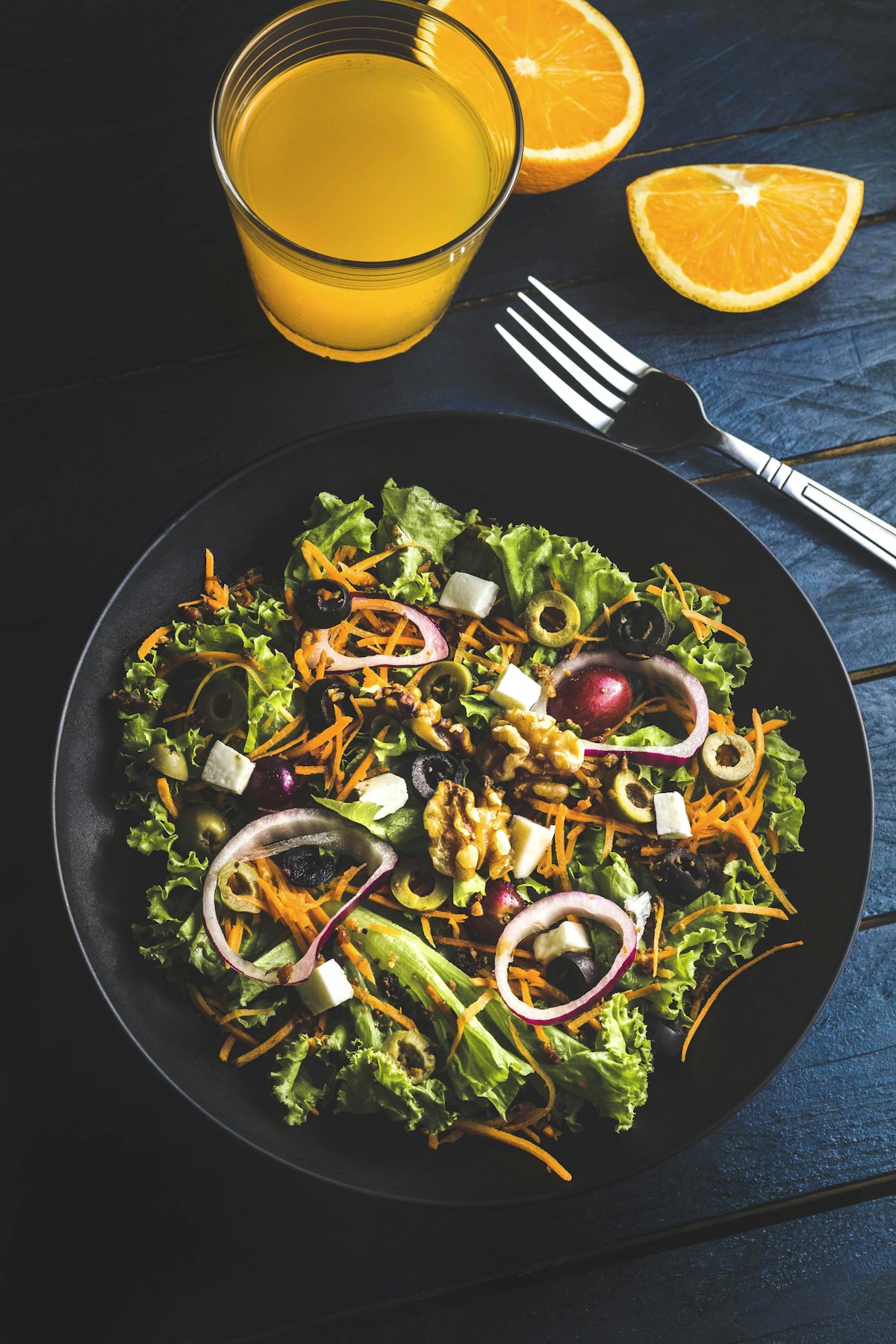
The Mediterranean diet has topped nearly every major "best diet" ranking for the past decade — and for good reason. It's the most comprehensively studied dietary pattern in history, with decades of evidence showing it produces sustainable weight loss, improves cardiovascular health, reduces inflammation, and is easy to follow long-term. Here's everything you need to start.
Why the Mediterranean Diet Works for Weight Loss
Unlike most diets, the Mediterranean approach doesn't restrict macronutrients or require calorie counting. It works through food quality rather than restriction — and the foods it emphasises happen to be highly satiating, anti-inflammatory, and nutrient-dense. The key mechanisms:
- High satiety foods — olive oil, fish, legumes, and vegetables keep you full on fewer total calories
- Reduced inflammation — chronic inflammation impairs fat loss and drives hunger. The Med diet's anti-inflammatory profile directly addresses this
- Blood sugar stability — high fibre and healthy fats slow glucose absorption, preventing the insulin spikes that drive fat storage
- Gut microbiome support — the diet's prebiotic fibre diversity supports a healthy microbiome, which independently aids weight regulation
- Sustainability — it includes wine, bread, and enjoyable food. Diets people enjoy are diets people maintain
What to Eat (and Avoid)
Eat Freely
- Olive oil (primary fat source)
- Vegetables — all types, especially leafy greens
- Fruit — 2–3 portions daily
- Legumes — lentils, chickpeas, beans
- Whole grains — oats, brown rice, quinoa, whole wheat
- Nuts and seeds — unsalted
- Herbs and spices
- Water, herbal tea, black coffee
Eat Regularly (Weekly)
- Fish and seafood — 2–3× per week
- Eggs — up to 4 per week
- Poultry — chicken, turkey
- Dairy — Greek yogurt, feta, small amounts of cheese
- Red wine — 1 glass with meals (optional)
Eat Rarely (Monthly)
- Red meat — 1–2× per month
- Sweets and desserts
- Processed meats
Avoid
- Ultra-processed foods
- Refined carbs and added sugar
- Vegetable seed oils (sunflower, canola)
- Sugary drinks and juices
- Fast food
7-Day Mediterranean Diet Meal Plan
| Day | Breakfast | Lunch | Dinner |
|---|---|---|---|
| Mon | Greek yogurt + walnuts + honey + berries | Lentil soup + whole grain bread | Grilled salmon + roasted veg + quinoa |
| Tue | Oats + almond milk + banana + chia seeds | Chickpea & feta salad + olive oil dressing | Chicken souvlaki + tzatziki + Greek salad |
| Wed | 2 eggs scrambled + tomatoes + whole grain toast | Tuna & white bean salad + lemon + olive oil | Baked cod + ratatouille + brown rice |
| Thu | Overnight oats + figs + pistachios | Vegetable minestrone + parmesan | Lamb kofta + tabbouleh + hummus |
| Fri | Avocado + poached eggs + whole grain toast | Grilled halloumi + roasted pepper wrap | Sea bass + lemon + capers + roasted potatoes |
| Sat | Shakshuka (eggs in tomato sauce) | Falafel + hummus + tabbouleh | Grilled chicken + large Greek salad + pita |
| Sun | Smoked salmon + cream cheese + rye bread | Lentil & spinach soup | Prawn pasta + cherry tomatoes + olive oil + basil |
Snacks throughout the week: handful of mixed nuts, olives, fresh fruit, hummus with vegetables, or a small piece of dark chocolate (70%+). Total daily calories land around 1,600–1,900 without any counting — naturally portion-controlled by the satiety of the foods.
Mediterranean Diet vs Other Popular Diets
| Diet | 12-Month Weight Loss | Sustainability | Health Evidence |
|---|---|---|---|
| Mediterranean | 4–6 kg | Very High | Strongest (decades of RCTs) |
| Low-fat diet | 2–4 kg | Moderate | Good |
| Low-carb / Keto | 5–8 kg (short-term) | Low–Moderate | Good short-term, mixed long-term |
| Intermittent fasting | 3–5 kg | Moderate | Good |
| Plant-based | 4–6 kg | Moderate–High | Very good |
How to Get Started
The easiest way to adopt the Mediterranean diet is to make three swaps simultaneously:
- Replace your cooking oil with extra virgin olive oil — this single change shifts your fat intake toward monounsaturated fats and polyphenols that drive much of the diet's benefit
- Eat fish twice a week instead of red meat — the omega-3 profile of oily fish is one of the diet's biggest differentiators
- Add legumes to 3 meals per week — lentils, chickpeas, or beans at lunch or dinner dramatically increases fibre and satiety
Once these habits are established (usually 2–3 weeks), layer in more vegetables, reduce processed foods, and add nuts as snacks. Most people find the diet naturally satisfying and don't need to track calories — but if progress stalls, a moderate calorie deficit of 300–500 kcal accelerates results significantly.