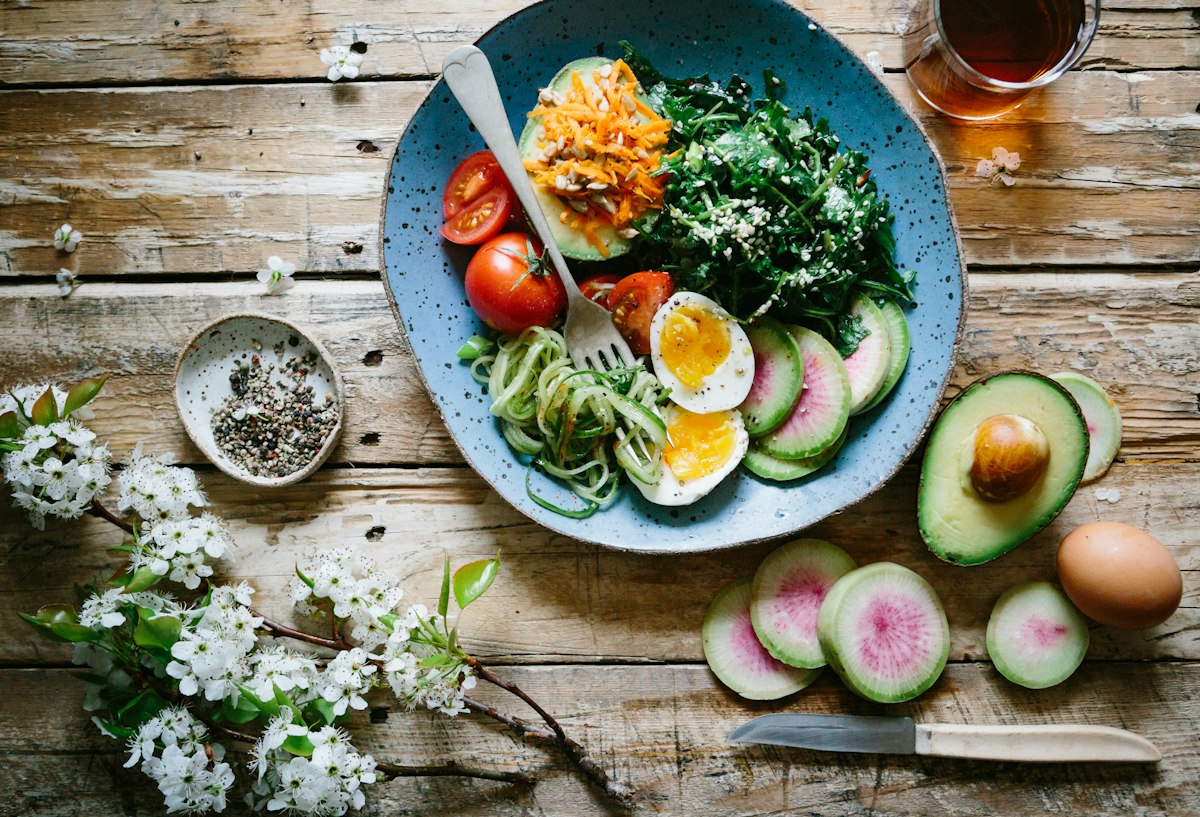
What Is a Low Carb Diet?
A low carb diet limits carbohydrates — primarily from grains, starchy vegetables, and fruit — and replaces them with protein and fat. Most low carb diets cap carbs at under 130g per day. Ketogenic diets are an extreme form, limiting carbs to 20–50g/day to trigger ketosis.
There's no single definition: "low carb" is a spectrum. You can go moderately low (100–130g/day), very low (50–100g/day), or ketogenic (<50g/day). Most beginners do best starting at 100–130g/day and adjusting from there.
What the Science Says
Low carb diets have more RCT evidence behind them than almost any other diet approach. Here's what the research actually shows:
| Outcome | Low Carb | Low Fat | Evidence |
|---|---|---|---|
| 6-month weight loss | ~5–8 kg | ~3–5 kg | Shai et al. 2008, NEJM |
| 2-year weight loss | Similar | Similar | Sacks et al. 2009, NEJM |
| Triglycerides | ↓↓ Significant drop | ↓ Modest drop | Multiple RCTs |
| HDL cholesterol | ↑ Increases | → No change | Volek et al. 2004 |
| Blood sugar control | ↓↓ Strong improvement | ↓ Modest | Westman et al. 2008 |
| Hunger/satiety | ✅ Better satiety | ❌ More hunger | Johnstone et al. 2008 |
Bottom line: low carb wins in the short term — especially for blood sugar and triglycerides. Long-term weight loss is similar to other diets if you stick to it. Adherence is the real predictor of results.
What to Eat on a Low Carb Diet
Focus on whole, minimally processed foods that are naturally low in carbohydrates:
Meat & Fish
Chicken, beef, pork, salmon, tuna, sardines, shrimp — unlimited
Eggs & Dairy
Eggs, butter, cheese, Greek yogurt, heavy cream, cottage cheese
Non-Starchy Veg
Spinach, broccoli, zucchini, cauliflower, kale, peppers, cucumber
Nuts & Oils
Avocado, olive oil, almonds, walnuts, coconut oil, nut butters
Berries
Strawberries, blueberries, raspberries — small portions OK
Beverages
Water, sparkling water, coffee, tea, bone broth — no sugar
What to Avoid
Bread & Pasta
White bread, pasta, rice, oats, cereal, crackers, tortillas
Sweets & Soda
Candy, cookies, cakes, juice, soda, sports drinks, most sauces
Starchy Vegetables
Potatoes, corn, peas, butternut squash, parsnips, beets
High-Sugar Fruits
Bananas, grapes, mangoes, pineapple, apples in large amounts
Beans & Lentils
Black beans, chickpeas, lentils, kidney beans (keto only)
Beer & Sweet Drinks
Beer, wine (most), cocktails with juice or soda, hard cider
Free 7-Day Low Carb Meal Plan
Each day averages ~1,500 calories, ~100g protein, and under 80g net carbs. Adjust portions for your goals.
Lunch: Grilled chicken salad with avocado, cucumber & olive oil dressing (420 kcal, 8g carbs)
Dinner: Salmon fillet with roasted broccoli & butter (480 kcal, 10g carbs)
Snack: 20 almonds + string cheese (200 kcal, 4g carbs)
Lunch: Tuna lettuce wraps with mayo, celery & mustard (380 kcal, 6g carbs)
Dinner: Ground beef stir-fry with zucchini, peppers & soy sauce (520 kcal, 12g carbs)
Snack: Hard-boiled eggs × 2 (160 kcal, 1g carbs)
Lunch: Cauliflower fried rice with chicken & egg (430 kcal, 14g carbs)
Dinner: Pork tenderloin with green beans & garlic butter (490 kcal, 10g carbs)
Snack: Celery sticks with almond butter (170 kcal, 6g carbs)
Lunch: BLT salad (bacon, lettuce, tomato, cheddar, ranch) (410 kcal, 8g carbs)
Dinner: Shrimp with cauliflower mash & asparagus (460 kcal, 15g carbs)
Snack: Cheese slices + deli turkey (190 kcal, 2g carbs)
Lunch: Steak salad with arugula, parmesan & lemon vinaigrette (480 kcal, 6g carbs)
Dinner: Baked chicken thighs with roasted zucchini & cherry tomatoes (500 kcal, 9g carbs)
Snack: Mixed nuts (180 kcal, 5g carbs)
Lunch: Turkey & cheese roll-ups with guacamole & cucumber (390 kcal, 9g carbs)
Dinner: Grilled ribeye with sautéed spinach & mushrooms (560 kcal, 7g carbs)
Snack: Pork rinds + hot sauce (110 kcal, 0g carbs)
Lunch: Egg salad lettuce wraps with dijon & chives (360 kcal, 5g carbs)
Dinner: Herb-crusted salmon with broccoli & lemon butter (490 kcal, 8g carbs)
Snack: Dark chocolate (85%) square + walnuts (200 kcal, 6g carbs)
Side Effects & How to Beat Them
The first 3–7 days can be rough. Here's what to expect and exactly how to handle it:
| Side Effect | Why It Happens | Fix |
|---|---|---|
| Headache / brain fog | Electrolyte loss as glycogen depletes | Add salt to food, drink bone broth, magnesium supplement |
| Fatigue / low energy | Body adapting to fat burning (takes 2–4 weeks) | Be patient, reduce workout intensity temporarily |
| Muscle cramps | Low potassium and magnesium | Eat avocado, leafy greens, take magnesium glycinate |
| Constipation | Less fiber from grains | Eat more non-starchy veg, chia seeds, drink more water |
| Bad breath | Ketone production (acetone) | Drink more water, chew gum (sugar-free), it fades |
| Cravings for carbs | Normal first 2 weeks, then dramatically reduces | Eat enough fat and protein — don't under-eat |
7 Beginner Tips That Actually Work
- Don't drop calories too fast. Focus on cutting carbs first, not slashing calories. Eat until satisfied.
- Read nutrition labels. Sugar hides in sauces, dressings, yogurt, and "healthy" snacks. Check every label.
- Meal prep on Sundays. Cook proteins in bulk. When food is ready, you won't reach for carbs out of convenience.
- Track net carbs, not total carbs. Net carbs = total carbs minus fiber. This matters for vegetables.
- Keep go-to snacks stocked. Hard-boiled eggs, cheese, almonds, and deli meat prevent off-plan eating.
- Don't fear fat. Fat keeps you full and makes the diet sustainable. Avoiding fat on low carb leads to misery.
- Give it at least 4 weeks. Most people feel dramatically better after week 2. The first week is the hardest.