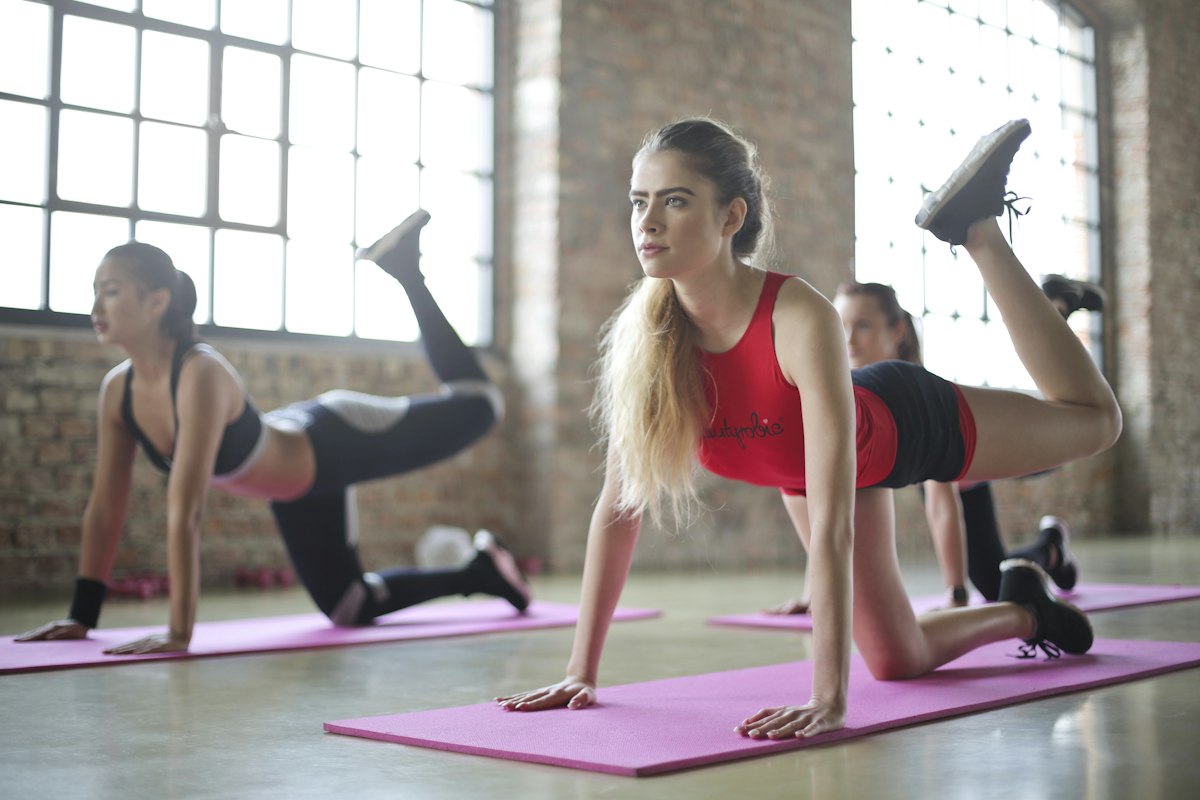
Pilates has an image problem when it comes to weight loss — it's often seen as too gentle to burn meaningful calories. That reputation is partly deserved and partly wrong. The honest picture: Pilates alone is unlikely to drive significant fat loss, but it has real benefits that make it a useful component of a broader weight loss programme — especially for people who can't do high-impact exercise.
Does Pilates Actually Help With Weight Loss?
Pilates can contribute to weight loss, but it's not primarily a calorie-burning exercise. Its main mechanism for weight loss is indirect: building lean muscle (particularly core and stabiliser muscles), improving body awareness and posture, and reducing injury risk that might otherwise prevent people from doing higher-intensity exercise.
A 2021 study in PLOS ONE found that 8 weeks of Pilates training in overweight women produced significant reductions in BMI, waist circumference, and hip circumference compared to a control group — without any dietary changes. The effects were meaningful but modest. More importantly, the study found significant improvements in body composition (muscle-to-fat ratio) even when total weight loss was modest.
Calories Burned in Pilates
| Type | 60 kg person | 75 kg person | 90 kg person |
|---|---|---|---|
| Beginner mat Pilates | ~140 kcal/hr | ~170 kcal/hr | ~210 kcal/hr |
| Intermediate mat Pilates | ~200 kcal/hr | ~250 kcal/hr | ~300 kcal/hr |
| Advanced mat / power Pilates | ~280 kcal/hr | ~350 kcal/hr | ~420 kcal/hr |
| Reformer Pilates (moderate) | ~250 kcal/hr | ~320 kcal/hr | ~380 kcal/hr |
| Reformer Pilates (vigorous) | ~360 kcal/hr | ~450 kcal/hr | ~540 kcal/hr |
Compared to running (~550–700 kcal/hr) or cycling (~400–600 kcal/hr), basic mat Pilates burns significantly fewer calories per hour. However, Reformer Pilates at vigorous intensity approaches moderate cardio territory — and the muscle-building stimulus it provides continues burning calories post-session.
Best Pilates Styles for Fat Loss
Reformer Pilates
The highest calorie burn of any Pilates format. The spring-resistance system of the Reformer adds genuine muscular load across the entire body, engaging large muscle groups (legs, back, glutes) that mat Pilates can't load as effectively. Vigorous Reformer classes approach the calorie burn of moderate jogging. The downside: requires equipment or studio access, typically £15–30 per class.
Power Pilates / HIIT Pilates
Modern hybrid classes that incorporate Pilates principles with cardio intervals — jumping, fast-tempo sequences, weighted movements. These burn 300–450 kcal/hr and are significantly more effective for weight loss than traditional mat Pilates. Available on most fitness apps and YouTube.
Traditional Mat Pilates
The lowest calorie burn but the most accessible — requires no equipment, can be done anywhere, and is excellent for recovery days, improving flexibility, and building the core strength that makes other exercises more effective. Best used as a complement to higher-intensity training, not as the sole fat loss strategy.
Pilates vs. Yoga for Weight Loss
| Factor | Pilates | Yoga |
|---|---|---|
| Calorie burn (typical class) | 170–350 kcal/hr | 180–360 kcal/hr (varies hugely by style) |
| Muscle building | Stronger — particularly core and stabilisers | Moderate — bodyweight resistance |
| Flexibility | Good | Excellent |
| Stress reduction | Moderate | Strong (cortisol reduction well-documented) |
| Best for weight loss | Body recomposition, core strength | Stress management, cortisol-related weight gain |
Both are roughly equivalent for direct calorie burn. Yoga has a stronger evidence base for stress reduction and cortisol management — which matters if stress is driving your weight gain. Pilates has a stronger evidence base for core strength and postural improvement. For weight loss specifically, both work best as supplements to a higher-intensity programme rather than standalone approaches.
How to Combine Pilates With Other Exercise
The most effective structure for someone who enjoys Pilates but wants meaningful fat loss:
- 2–3× strength training or HIIT for primary calorie burn and muscle building
- 1–2× Pilates as active recovery — it promotes blood flow and mobility without adding significant fatigue
- Daily walking (8,000–10,000 steps) to maximise total daily calorie expenditure without recovery cost
Pilates on rest days between harder sessions is particularly effective — it keeps you active without compromising recovery for the sessions that matter most for fat loss.