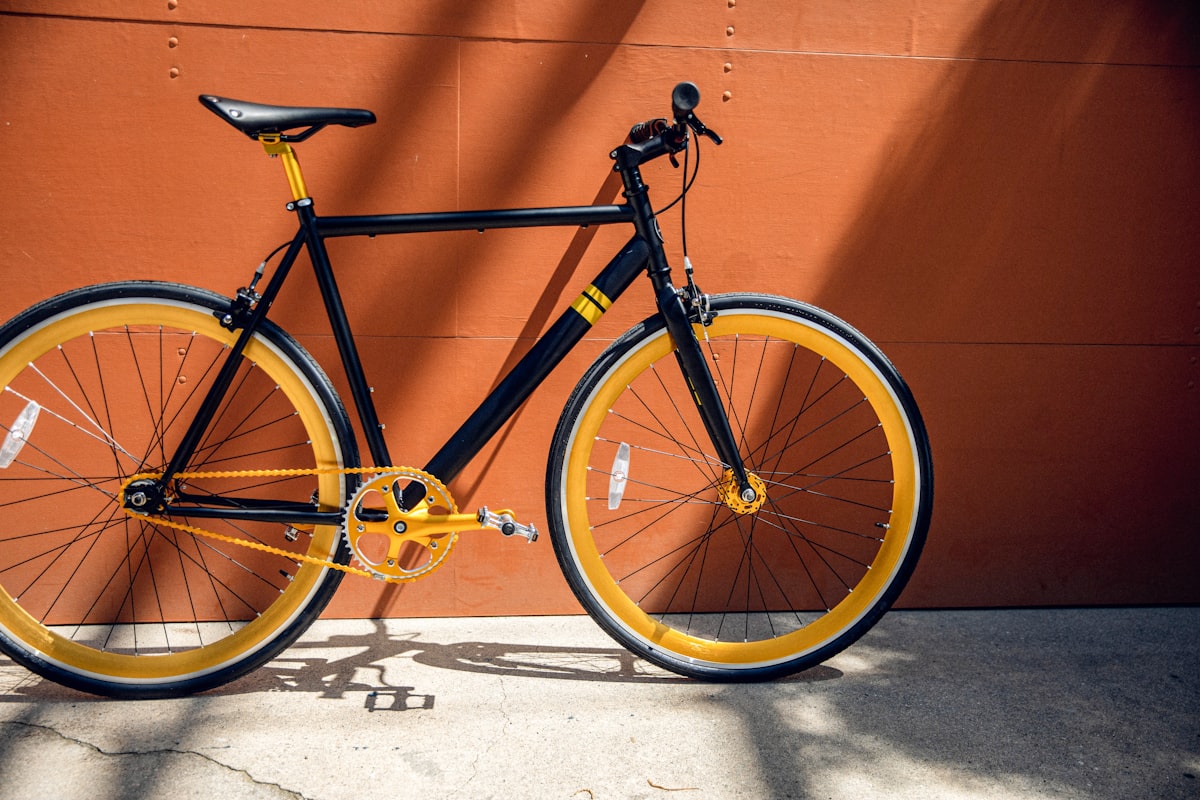
Cycling is one of the best cardio options for weight loss — it burns significant calories, is low-impact (easy on joints), and most people enjoy it enough to actually stick with it long-term. Whether you're on a road bike, a mountain bike, or a stationary spin bike, here's exactly how to use cycling to lose fat efficiently.
How Many Calories Does Cycling Burn?
| Intensity | Speed | Kcal/hr (60kg) | Kcal/hr (80kg) | Kcal/hr (100kg) |
|---|---|---|---|---|
| Very light | <16 km/h | 240 | 320 | 400 |
| Light | 16–19 km/h | 360 | 480 | 600 |
| Moderate | 19–22 km/h | 480 | 640 | 800 |
| Vigorous | 22–26 km/h | 600 | 800 | 1000 |
| Racing pace | >26 km/h | 720+ | 960+ | 1200+ |
| Spin class (high intensity) | — | 500–600 | 650–800 | 800–1000 |
Indoor vs Outdoor Cycling
| Outdoor Cycling | Indoor / Spin Bike | |
|---|---|---|
| Calorie burn | Higher (wind resistance, terrain variation) | More consistent and controllable |
| Convenience | Weather-dependent | Year-round, any time |
| HIIT potential | Limited by traffic/terrain | Excellent — full control of resistance |
| Enjoyment | Higher (scenery, variety) | Can be monotonous — use classes or music |
| Best for | Long steady-state rides, commuting | Interval training, time-limited workouts |
For pure fat loss efficiency, indoor cycling wins because you can do effective HIIT intervals with full resistance control. For adherence and enjoyment long-term, outdoor cycling is typically superior. The best approach is combining both.
How Much Cycling to Lose Weight
The minimum effective dose for weight loss is 150 minutes of moderate cycling per week — the equivalent of 5 × 30-minute sessions or 3 × 50-minute sessions. This burns roughly 1,200–2,000 kcal/week depending on body weight and intensity, creating a meaningful calorie deficit when combined with diet.
To lose approximately 0.5kg of fat per week, you need a 500 kcal/day deficit. If cycling burns 500 kcal per session, one ride per day plus a modest diet adjustment achieves this. More practically: 3–4 cycling sessions per week (400–600 kcal each) combined with a 200–300 kcal daily food reduction creates a sustainable 500 kcal/day deficit without relying entirely on either exercise or diet restriction.
See our calorie deficit guide for help calculating your specific target.
4-Week Beginner Cycling Plan for Weight Loss
Build the Habit (3 sessions)
3 × 20–30 min at light pace (you can hold a conversation). Goal is consistency, not intensity. If you're outdoors, flat routes only. If indoors, resistance at 40–50% of max. Total weekly burn: ~700–900 kcal.
Extend Duration (4 sessions)
4 × 30–40 min, moderate pace. Add one slightly hillier route or increase resistance by 10–15% if indoors. Start to feel slightly breathless but still sustainable. Total weekly burn: ~1,200–1,600 kcal.
Add Intervals (4 sessions)
3 × 40 min steady + 1 × interval session (10 min warm-up, then 8 × 30 sec hard / 90 sec easy, 10 min cool-down). Intervals dramatically increase fat burn per minute. Total weekly burn: ~1,500–2,000 kcal.
Full Protocol (5 sessions)
4 × 40–50 min moderate + 1 × 30 min interval session. By week 4, cycling should feel sustainable and somewhat enjoyable. Total weekly burn: ~2,000–2,500 kcal — equivalent to ~0.5–0.7kg fat loss per week when combined with a modest diet adjustment.
Tips to Maximise Fat Loss on a Bike
- Don't reward yourself with food after rides — "I cycled today so I can eat more" is the single most common reason cycling fails for weight loss. Keep food intake consistent regardless of exercise.
- Ride before breakfast occasionally — fasted morning cycling (after overnight fast) preferentially burns fat and avoids the "compensation eating" that often follows fed-state exercise. Not essential, but effective.
- Add resistance training 2× per week — cycling is cardio-dominant and burns minimal upper body muscle. Adding strength training preserves muscle mass and raises resting metabolism.
- Track your rides — a cycling app or fitness tracker creates accountability and helps you see real progress. People who track exercise lose significantly more weight than those who don't.
- Gradually increase duration before intensity — for beginners, extending ride time is safer and more sustainable than immediately pushing high intensity, which increases injury and burnout risk.