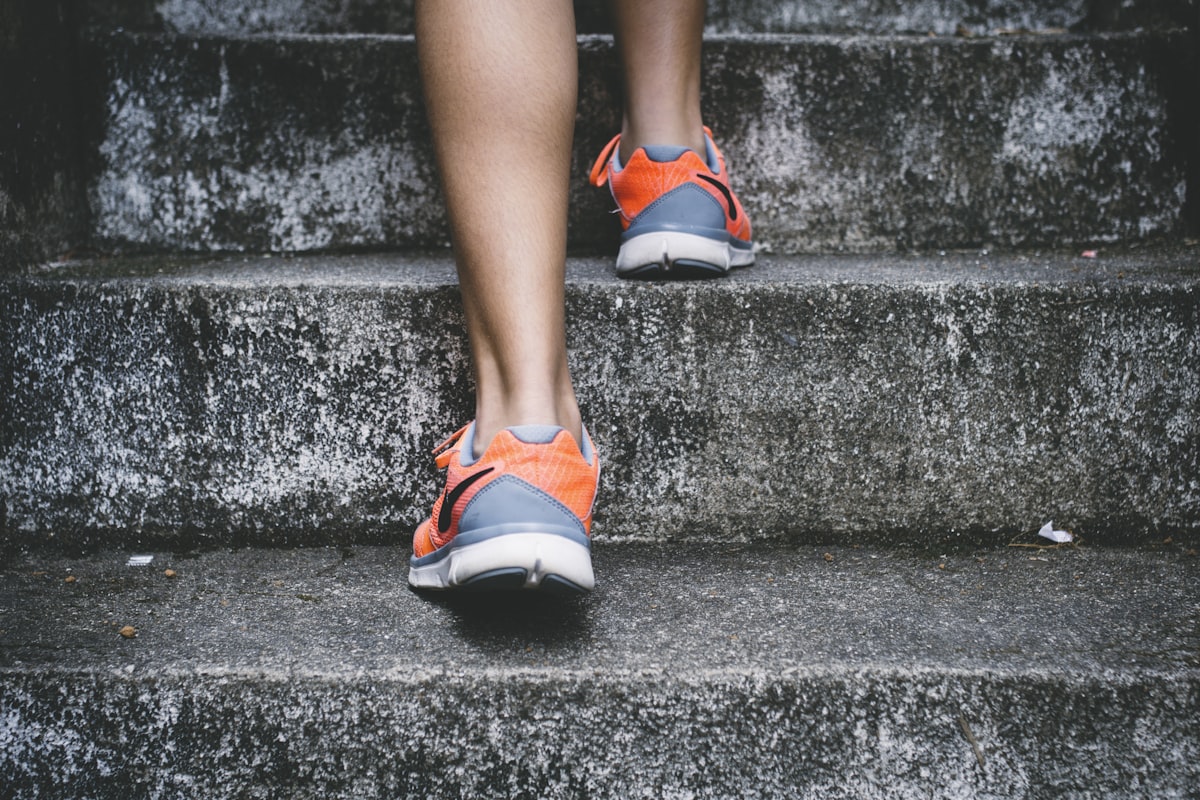
Does Walking Actually Work for Weight Loss?
Yes — and research consistently shows it's one of the most underrated fat-loss tools available. A 2022 meta-analysis in Obesity Reviews found that walking interventions produced significant reductions in body weight, BMI, and waist circumference across 17 RCTs. It's low-impact, sustainable, requires no equipment, and can be done by virtually anyone regardless of fitness level.
The catch: walking alone, without any dietary change, produces modest results. A 30-minute walk burns roughly 150 calories. That's meaningful over time, but it's easily cancelled by a handful of extra snacks. Walking works best as part of a broader strategy — not as your only tool.
How Many Steps Per Day?
The famous "10,000 steps" number was invented by a Japanese marketing campaign in 1965 — not by researchers. Here's what the actual science says:
| Daily Steps | Health Outcome | Source |
|---|---|---|
| 4,000 steps | Measurable reduction in all-cause mortality vs sedentary | Paluch et al. 2022, JAMA |
| 7,000 steps | Optimal risk reduction — benefits plateau above this for longevity | Paluch et al. 2021 |
| 8,000–10,000 | Best for weight loss and metabolic health | Multiple RCTs |
| 10,000+ | Extra calorie burn, diminishing longevity returns | Ongoing research |
For weight loss specifically, aim for 8,000–10,000 steps. If you're currently sedentary (under 4,000/day), adding 2,000 steps per week until you reach 8,000+ is the most sustainable approach.
How Many Calories Does Walking Burn?
Calories burned depend on your weight, speed, and terrain. Here's a practical reference:
| Body Weight | Slow (3 km/h) | Moderate (5 km/h) | Brisk (6.5 km/h) |
|---|---|---|---|
| 60 kg | 160 kcal/hr | 230 kcal/hr | 300 kcal/hr |
| 75 kg | 200 kcal/hr | 280 kcal/hr | 370 kcal/hr |
| 90 kg | 240 kcal/hr | 340 kcal/hr | 450 kcal/hr |
| 105 kg | 280 kcal/hr | 400 kcal/hr | 520 kcal/hr |
At a brisk pace, a 90kg person burns ~450 kcal/hour. One hour of walking per day = ~3,150 extra calories burned per week = roughly 0.4–0.5kg of fat loss per week, assuming diet stays the same.
Does Speed Matter?
Yes — significantly. Brisk walking (above 5 km/h, where you're slightly breathless but can still talk) burns 30–40% more calories per hour than slow walking and has additional cardiovascular benefits.
A simple test: if you can sing while walking, you're going too slow. If you can't speak a full sentence, you're going too fast. The "talking pace" is the sweet spot for fat burning.
Incline walking is even more effective — walking on a 5–10% incline increases calorie burn by 30–50% vs flat ground at the same speed. This is why treadmill incline walking has become so popular for fat loss.
4-Week Walking Plan for Beginners
Start here if you're currently sedentary. The goal is to build to 8,000+ steps consistently without injury or burnout.
7 Tips to Lose More Weight Walking
- Walk after meals. A 10–15 minute post-meal walk lowers blood sugar spikes by up to 30% (Diabetologia 2013). This reduces fat storage and hunger later in the day.
- Use incline. Even a 5% treadmill incline dramatically increases calorie burn. Outdoor hills work just as well.
- Split it up. Three 20-minute walks produce similar benefits to one 60-minute walk. Use your lunch break, morning, and evening.
- Don't eat back the calories. Fitness trackers overestimate walking calorie burn by 15–40%. Don't reward a walk with extra food.
- Add a weighted vest. A 5–10kg weighted vest increases calorie burn by 10–15% with no added joint stress vs running.
- Listen to something engaging. Podcasts, audiobooks, or playlists make longer walks sustainable. Time flies.
- Pair with protein. Walking + adequate protein is one of the best combinations for preserving muscle while losing fat. Aim for 1.6g+ protein per kg bodyweight.