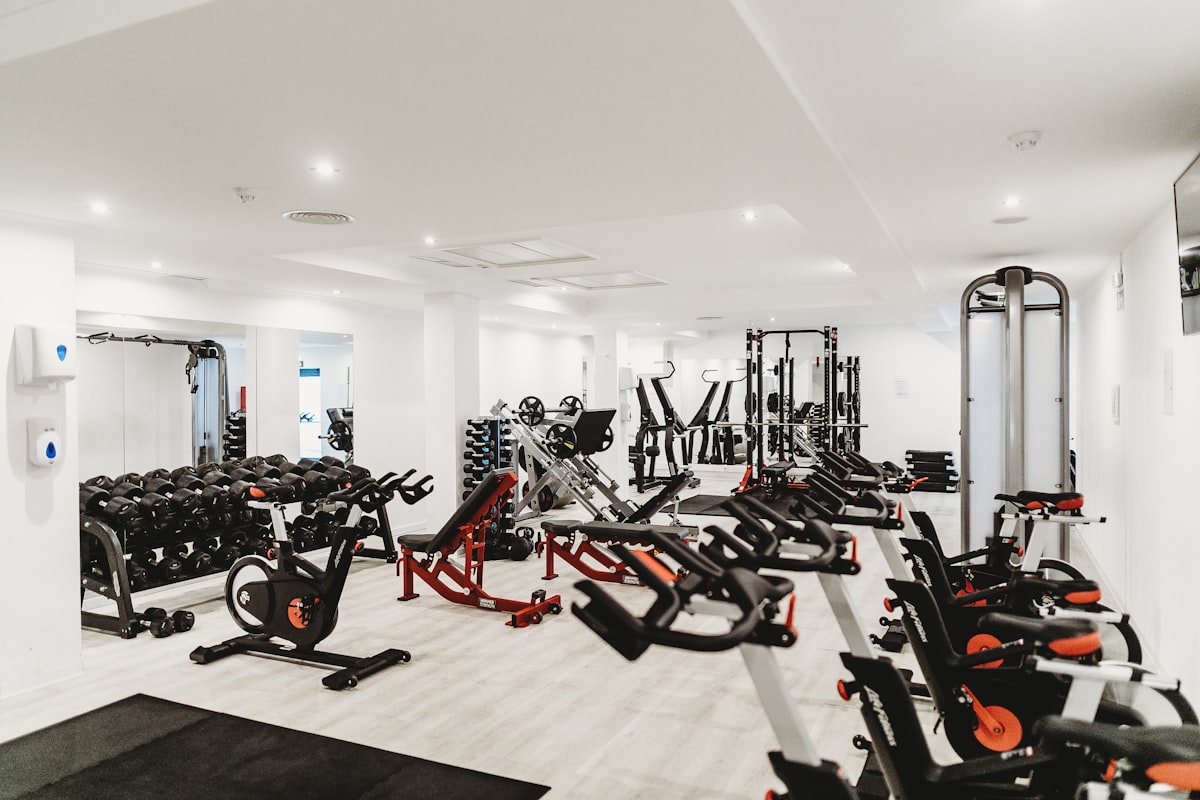
The rowing machine is one of the most underused pieces of gym equipment — and one of the most effective for fat loss. It burns significantly more calories than most cardio alternatives, engages 86% of muscles (upper body, lower body, and core simultaneously), and is completely low-impact. If the treadmill queue is long, walk past it to the rower.
Why Rowing Is Excellent for Weight Loss
Most cardio machines isolate the lower body — treadmill, bike, elliptical all primarily work legs. The rowing machine is unique in that each stroke demands significant effort from legs (drive), core (transfer), and upper body (pull) in sequence. This full-body demand means a higher total calorie burn per session than equivalent time on a bike or treadmill at the same perceived effort.
Rowing also builds meaningful upper back, lat, and core muscle — muscle that most people are deficient in and that raises resting metabolic rate. It's one of the only cardio exercises that genuinely builds the back musculature, which matters for posture, aesthetics, and long-term metabolic health.
Calories Burned by Weight and Intensity
| Intensity | 60 kg | 75 kg | 90 kg |
|---|---|---|---|
| Light (easy pace, 20 spm) | ~350 kcal/hr | ~420 kcal/hr | ~510 kcal/hr |
| Moderate (steady state, 22–24 spm) | ~490 kcal/hr | ~600 kcal/hr | ~720 kcal/hr |
| Vigorous (hard effort, 26–28 spm) | ~600 kcal/hr | ~740 kcal/hr | ~890 kcal/hr |
| Interval (HIIT on rower) | ~500 kcal/hr | ~620 kcal/hr | ~750 kcal/hr |
spm = strokes per minute. For reference, a casual rowing pace is around 18–20 spm; competitive rowing is 32–38 spm. Most gym beginners should aim for 20–24 spm with focus on power per stroke rather than stroke rate.
Rowing Technique Basics
The 4 Phases of a Rowing Stroke
The Catch: Start position — shins vertical, arms straight, back upright with slight forward lean. Don't hunch. This is the compressed spring before the drive.
The Drive: Push with legs first — straighten them powerfully before anything else. Then swing your back through vertical. Finally, pull the handle to your lower ribs. Sequence is everything: legs → back → arms.
The Finish: Legs flat, slight back lean, handle at lower ribs, elbows behind you. Hold this position for a half-second — don't rush the recovery.
The Recovery: Reverse the drive order — arms extend first, then body rocks forward, then knees bend to return to the catch. Recovery should be slower than the drive (roughly 2:1 recovery to drive ratio).
4-Week Beginner Plan
3 × 5 min easy rowing (18–20 spm), 2 min rest between. Focus entirely on the legs → back → arms sequence. Ignore the monitor — focus on feel. Total: ~15 min rowing, ~25 min session.
2 × 10 min steady rowing (20–22 spm), 3 min rest. Start watching your split time (time per 500m) — aim for consistent pace throughout. ~300–350 kcal per session at 75 kg.
20 min steady state OR 8 × 250m sprint with 90 sec rest (alternate sessions). Sprint pace should feel hard — significantly faster than your steady state pace. ~350–400 kcal per session.
30 min continuous at moderate effort (22–24 spm, conversational pace) OR 10 × 500m with 2 min rest. Both sessions ~400–500 kcal at 75 kg. By end of week 4 you should feel confident with technique and notice improved cardiovascular fitness.
Rowing vs. Other Cardio
| Machine | Muscles Used | kcal/hr (moderate, 75 kg) | Impact |
|---|---|---|---|
| Rowing machine | Full body (86%) | ~600 | Zero |
| Treadmill (running) | Primarily lower body | ~580 | High |
| Stationary bike | Lower body | ~480 | Zero |
| Elliptical | Lower body + arms | ~450 | Very low |
| Stair climber | Lower body, glutes | ~520 | Low |