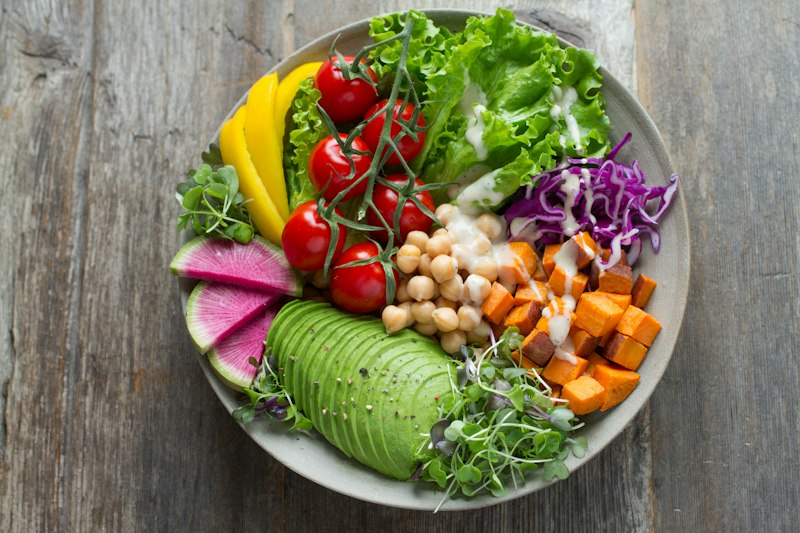
Counting macros for weight loss — protein, carbohydrates, and fat — gives you more precise control over your diet than calorie counting alone. While a calorie deficit is the non-negotiable foundation of fat loss, the macro split determines how much of that weight comes from fat versus muscle, how hungry you feel, and how much energy you have. Get it right and weight loss feels manageable. Get it wrong and you lose muscle, feel exhausted, and give up.
What Are Macros?
Macronutrients are the three main categories of food that provide energy. Every food you eat is a combination of these three, in different proportions:
- Protein — 4 kcal/gram. Builds and repairs muscle, keeps you full, and has the highest thermic effect of food (20–30% of calories burned in digestion).
- Carbohydrates — 4 kcal/gram. Primary fuel for the brain and high-intensity exercise. Stored as glycogen in muscles and liver.
- Fat — 9 kcal/gram. Essential for hormones, fat-soluble vitamins (A/D/E/K), and brain function. The most calorie-dense macro.
Alcohol is sometimes called a "4th macro" at 7 kcal/gram — but it has no nutritional value and is metabolised before fat, effectively halting fat burning while present in the system.
Best Macro Split for Weight Loss
Research consistently shows that high protein intake is the most important macro variable for weight loss. A high-protein diet preserves muscle during a deficit, reduces hunger by 25–30%, and increases metabolic rate through the thermic effect of food [1]. The carb/fat split matters less than the protein target.
Priority #1
Adjust to preference
Essential for hormones
Free Macro Calculator
Deep Dive: Each Macro's Role in Weight Loss
Protein (30–40% of calories): The most important macro for weight loss. High protein intake (1.6–2.4g/kg/day) during a calorie deficit preserves lean muscle mass — which keeps your metabolic rate up, ensures you're losing fat rather than muscle, and maintains strength. Protein also has the highest satiety per calorie, reducing hunger better than carbs or fat [1]. Best sources: chicken breast, Greek yogurt, eggs, cottage cheese, fish, tofu, legumes.
Carbohydrates (30–40% of calories): Carbs are not the enemy — the type matters more than the amount. Refined carbs (white bread, sugar, juice) spike blood sugar and drive fat storage. Complex carbs (oats, sweet potato, brown rice, vegetables) digest slowly, provide sustained energy, and support gut health through fibre. Don't go below 100g/day without a specific reason — the brain requires ~130g glucose daily [3].
Fat (20–35% of calories): Don't go below 0.5g/kg/day — fat is essential for hormone production including testosterone and estrogen. Too little fat on a diet causes hormonal disruption, poor mood, and impaired absorption of vitamins A, D, E, and K. Prioritise unsaturated fats (olive oil, avocado, nuts, fish) over saturated fats from processed foods.
Macro Splits by Diet Type
| Diet | Protein | Carbs | Fat | Best For |
|---|---|---|---|---|
| Standard (recommended) | 30–35% | 35–40% | 25–30% | Most people — sustainable, flexible |
| High Protein | 40%+ | 30% | 25–30% | Athletes, muscle preservation |
| Keto / Low-Carb | 25–35% | 5–10% | 60–70% | Carb-sensitive individuals, epilepsy |
| Low Fat | 20–30% | 50–60% | 10–20% | Heart disease history, personal preference |
| Mediterranean | 15–20% | 45–55% | 30–35% | Long-term health, older adults |
Research comparing different macro splits consistently finds that total calorie intake and protein content predict weight loss outcomes — not the carb/fat ratio. A meta-analysis of 48 studies found no significant difference in fat loss between low-fat and low-carb diets when protein and calories were matched [2].
Calculate your calorie deficit first: Calorie Deficit for Weight Loss — How Big Should It Be?
Hit your protein target with the right foods: High Protein Foods List: 30 Best Sources Ranked
See macros in action across a full week: Free 7-Day Diet Plan for Weight Loss
Track Macros Automatically
NoxFit tracks protein, carbs, and fat for every meal — scan a barcode or search 6 million foods. Free forever.
Download NoxFit Free →References
- Leidy HJ, et al. (2015). The role of protein in weight loss and maintenance. American Journal of Clinical Nutrition, 101(6). PubMed ↗
- Hu T, et al. (2012). Effects of low-carbohydrate diets versus low-fat diets on metabolic risk factors. American Journal of Epidemiology. PubMed ↗
- Institute of Medicine. (2002). Dietary reference intakes for energy, carbohydrate, fiber, fat, fatty acids, cholesterol, protein, and amino acids. PubMed ↗
- Halton TL, Hu FB. (2004). The effects of high protein diets on thermogenesis, satiety and weight loss. Journal of the American College of Nutrition. PubMed ↗