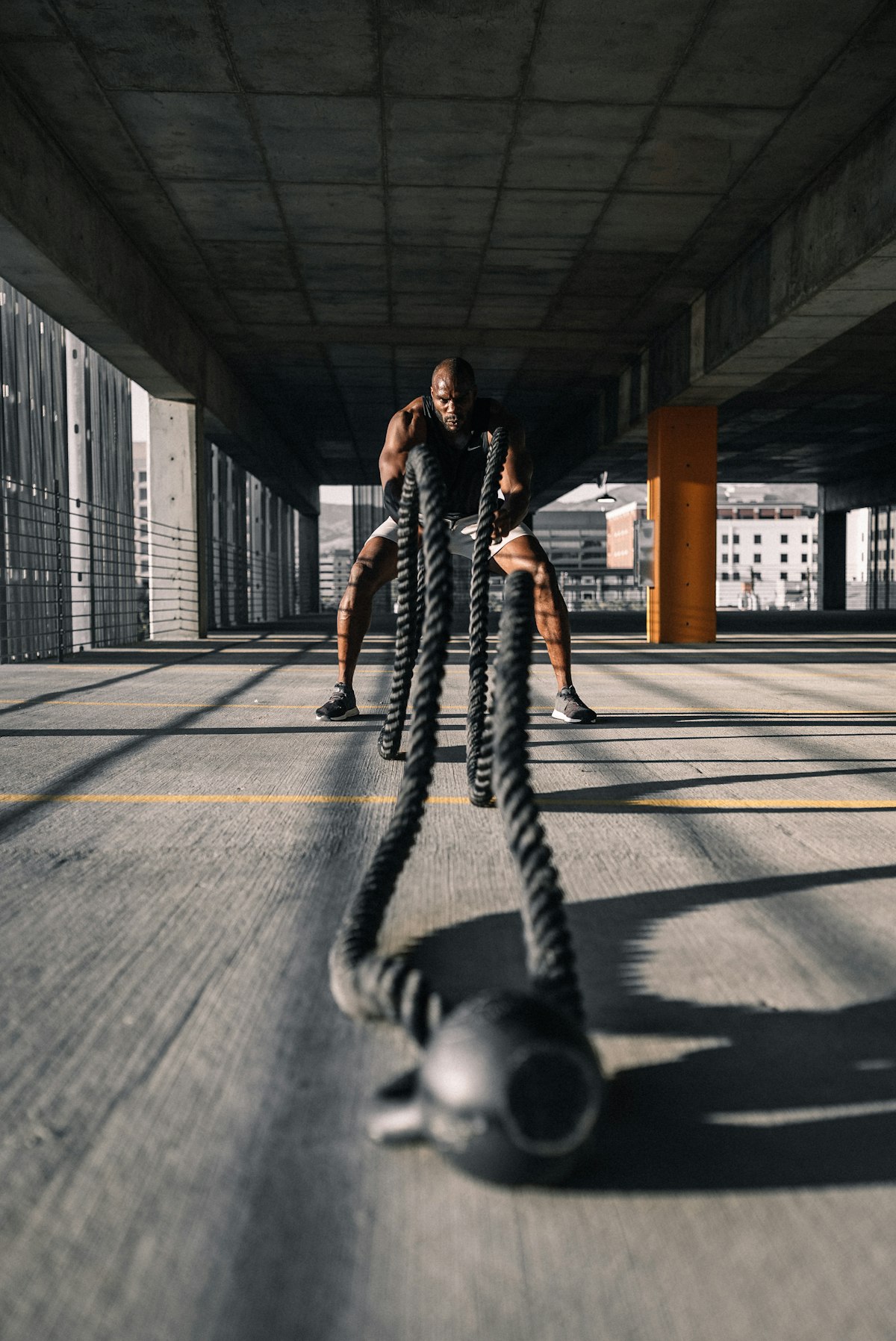
A jump rope costs under £10, requires no gym, fits in a pocket, and burns more calories per minute than almost any other exercise. If you're looking for the highest calorie-burn-per-cost ratio in fitness, nothing beats it. Here's everything you need to know to use it effectively for weight loss.
Why Jump Rope Is Exceptional for Fat Loss
Jump rope is a cardiovascular exercise that also heavily recruits the upper body — shoulders, forearms, and core all work continuously to maintain rope rotation and body stability. This full-body demand is why calorie burn is so high relative to session duration. You're essentially doing high-intensity cardio with an added resistance component.
Beyond calorie burn, jump rope improves coordination, balance, and cardiovascular fitness rapidly. Most beginners see noticeable improvement in just 2–3 weeks. It's also one of the few cardio exercises that has a skill component, which keeps sessions mentally engaging in a way that treadmill running often doesn't.
Calories Burned by Weight and Intensity
| Body Weight | Slow (60–80 rpm) | Moderate (100 rpm) | Fast (120+ rpm) |
|---|---|---|---|
| 60 kg | ~480 kcal/hr | ~600 kcal/hr | ~750 kcal/hr |
| 75 kg | ~560 kcal/hr | ~720 kcal/hr | ~880 kcal/hr |
| 90 kg | ~640 kcal/hr | ~840 kcal/hr | ~1,000 kcal/hr |
| 105 kg | ~720 kcal/hr | ~950 kcal/hr | ~1,100+ kcal/hr |
These are estimates for continuous skipping. Most beginners can't sustain continuous jumping for an hour — which is why interval-based training (30 seconds on, 30 seconds rest) is the practical approach. A 20-minute interval session still burns 150–250 calories depending on your weight and pace.
Jump Rope vs. Running
| Factor | Jump Rope | Running |
|---|---|---|
| Calorie burn per hour | ~600–1,000 kcal | ~500–700 kcal |
| Equipment needed | ~£8 rope | Running shoes (~£60–120) |
| Space needed | 2m × 2m indoors | Outdoor route or treadmill |
| Joint impact | Moderate (balls of feet absorb) | High (heel strike, full body weight) |
| Skill required | Yes — takes 1–2 weeks to learn basics | No — immediately accessible |
| Upper body engagement | High (shoulders, arms, core) | Low |
4-Week Beginner Jump Rope Plan
This plan uses intervals to build endurance progressively. Do each session 4 times per week with at least one rest day between sessions. Rest periods can be active (marching in place) or complete rest.
5 rounds of: 30 sec jump · 60 sec rest. Total jump time: 2.5 min. Total session: ~10 min. Focus: landing softly on the balls of your feet, keeping elbows close to your sides, using wrist rotation (not arm swinging) to turn the rope. Don't worry about pace.
8 rounds of: 45 sec jump · 45 sec rest. Total jump time: 6 min. Total session: ~12 min. Focus: maintaining consistent rhythm. You'll trip — that's normal. Reset and keep going. Aim for 80–90 rpm.
10 rounds of: 45 sec jump · 30 sec rest. Total jump time: 7.5 min. Total session: ~13 min. Add: 2 rounds of high-knees jumping (drive knees up with each revolution) to spike intensity. ~180–220 kcal per session at 75 kg.
12 rounds of: 60 sec jump · 30 sec rest. Total jump time: 12 min. Total session: ~18 min. Mix in double-unders if you can (rope passes twice per jump) for brief maximum-intensity intervals. ~240–300 kcal per session at 75 kg.
Technique Tips for Beginners
- Size your rope correctly. Stand on the middle of the rope — handles should reach your armpits. Too long and it'll hit the ground mid-arc; too short and you'll trip constantly.
- Land on the balls of your feet, not your heels. Heel landing sends shock up the knees and shins. Stay light on your feet — the jump only needs to be 2–3cm off the ground.
- Keep elbows close to your body. The rotation should come from your wrists, not large arm movements. Big arm swings waste energy and make timing inconsistent.
- Jump on a forgiving surface. Rubber mat, grass, or sprung wood floor. Concrete is hard on joints, especially as a beginner when your landing isn't yet efficient.
- Start slower than you think you need to. Most beginners try to go fast immediately and tire out in 20 seconds. A slow, sustainable rhythm (60–70 rpm) is the foundation.
- Wear supportive shoes. Cross-trainers or running shoes with cushioning in the forefoot. Don't skip barefoot — the repetitive impact without cushioning causes shin splints quickly.