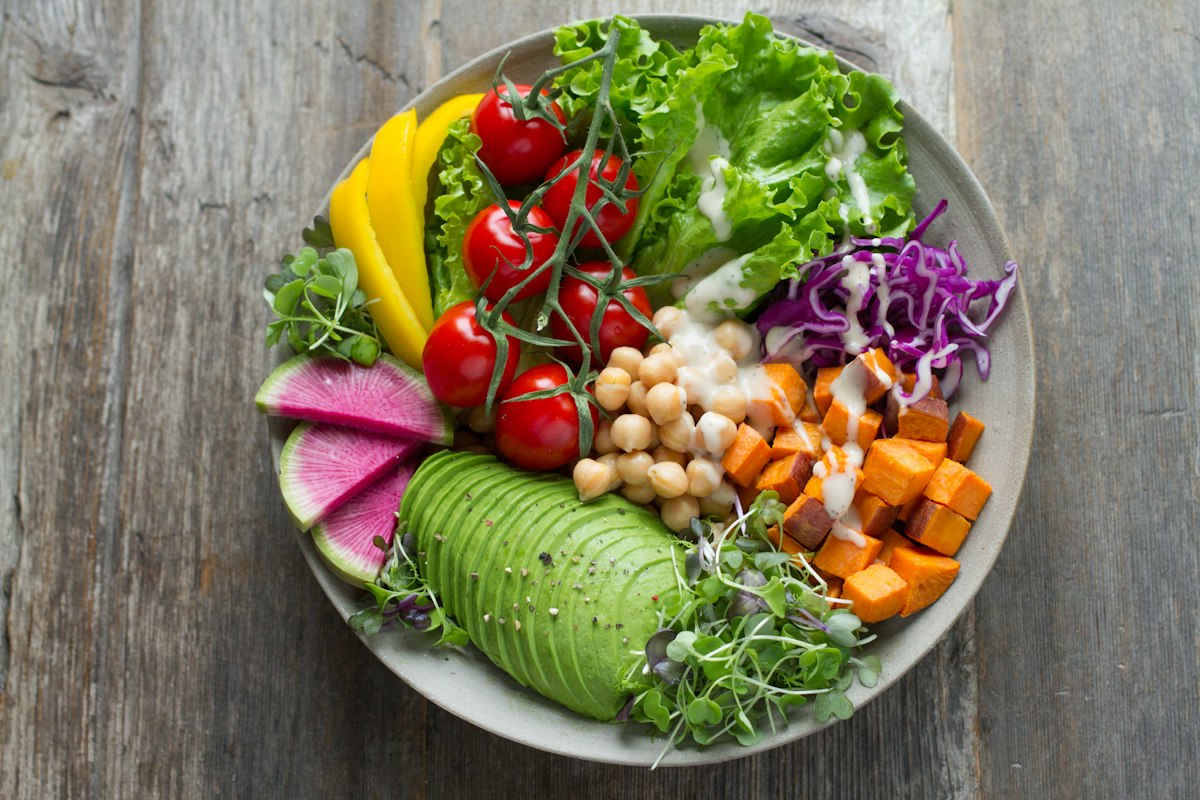
The Gut-Weight Connection
Your gut microbiome — the 38 trillion bacteria, fungi, and other microorganisms living in your digestive tract — does far more than digest food. It regulates hormones, influences how many calories you extract from food, controls inflammation levels, and directly communicates with your brain via the gut-brain axis to affect hunger and food cravings.
The landmark 2006 Nature study by Turnbaugh et al. showed that transplanting gut bacteria from obese mice into germ-free mice caused those mice to gain significantly more fat than mice receiving bacteria from lean donors — eating the same diet. This was one of the first demonstrations that gut bacteria can independently influence fat storage.
How Your Microbiome Affects Your Weight
1. Calorie Extraction from Food
Different bacterial profiles extract different amounts of energy from the same food. People with microbiomes dominated by Firmicutes bacteria extract ~150 more calories per day from identical diets compared to people with more Bacteroidetes-dominant microbiomes. Over a year, that's a potential 15kg difference in fat storage from exactly the same food.
2. Hunger Hormone Regulation
Gut bacteria produce short-chain fatty acids (SCFAs) — including butyrate, propionate, and acetate — when they ferment dietary fiber. SCFAs stimulate the release of GLP-1 and PYY, satiety hormones that reduce appetite and slow stomach emptying. People with higher SCFA-producing bacteria consistently report lower hunger levels and eat fewer calories spontaneously.
3. Inflammation and Insulin Resistance
An unhealthy microbiome (dysbiosis) produces lipopolysaccharides (LPS) — inflammatory compounds that enter the bloodstream and trigger systemic low-grade inflammation. This inflammation directly causes insulin resistance, which promotes fat storage (especially visceral belly fat) and makes it harder for cells to burn glucose for energy. Reducing gut inflammation improves insulin sensitivity and fat burning.
4. Cravings and Food Preferences
Gut bacteria can influence which foods you crave by producing neurotransmitters and metabolites that communicate with your brain via the vagus nerve. Certain bacteria associated with sugar consumption produce compounds that stimulate dopamine reward pathways — essentially creating cravings for the foods that feed them. Changing your diet changes these bacterial populations, which gradually shifts cravings.
Signs Your Gut Health May Be Hurting Fat Loss
- Bloating after most meals — especially high-fiber or fermented foods initially
- Strong sugar cravings despite eating enough calories
- Inconsistent energy levels — crashes after meals, fatigue unrelated to sleep
- Mood fluctuations and anxiety — strongly linked to gut dysbiosis via serotonin
- Slow weight loss despite consistent deficit — may indicate inflammatory dysbiosis
- Frequent illness — 70% of immune function is gut-based; dysbiosis impairs immunity
- Irregular digestion — constipation, loose stools, or alternating both
7 Ways to Improve Gut Health for Weight Loss
1. Eat 30+ Different Plants Per Week
The American Gut Project (the largest citizen science gut study ever conducted) found that people eating 30+ different plant foods per week had dramatically more diverse microbiomes than those eating fewer. Diversity of gut bacteria is the single strongest predictor of metabolic health. Count every different vegetable, fruit, legume, whole grain, nut, seed, and herb — variety is the goal, not quantity.
2. Prioritize Prebiotic Fiber Daily
Prebiotics are the fiber types that specifically feed beneficial gut bacteria. Best sources: garlic, onions, leeks, asparagus, Jerusalem artichokes, oats, bananas (slightly unripe), apples, and legumes. Aim for 25–38g of total fiber daily. See our fiber and weight loss guide for specific targets and sources.
3. Add Fermented Foods Daily
A landmark 2021 Stanford study published in Cell found that a high-fermented-food diet (6 servings/day) increased microbiome diversity and decreased inflammatory markers more than a high-fiber diet alone over 10 weeks. Add: plain yogurt, kefir, kimchi, sauerkraut, miso, tempeh, or kombucha daily. Start with small amounts — too much too fast causes digestive discomfort.
4. Minimize Ultra-Processed Foods
Emulsifiers (polysorbate 80, carboxymethylcellulose) found in many processed foods directly disrupt the gut mucus layer and harm beneficial bacteria populations within days. A 2015 Nature study showed these additives promoted gut dysbiosis and metabolic syndrome even in the absence of excess calorie intake. The simpler the ingredient list, the better for your microbiome.
5. Reduce Unnecessary Antibiotics
A single course of antibiotics can eliminate 30% of gut bacterial species — and recovery takes 6–12 months, with some species never fully recovering. This isn't a reason to avoid necessary antibiotics, but to avoid unnecessary ones (most ear infections, sinus infections, and viral illnesses resolve without them). When you do need antibiotics, follow with a course of probiotics to speed recovery.
6. Manage Stress
Chronic psychological stress directly disrupts gut barrier function and alters microbiome composition through cortisol and adrenaline signaling. This creates a feedback loop: gut dysbiosis increases anxiety, which increases stress, which worsens the gut. Stress management via sleep, exercise, and mindfulness practices supports gut health. See our stress and weight gain guide for more.
7. Exercise Regularly
Exercise independently improves gut microbiome diversity — even without dietary changes. A 2019 Gut journal study found that exercise-induced microbiome changes increased butyrate-producing bacteria (which improve insulin sensitivity and reduce gut inflammation) and these effects were sustained only while exercising. This is another mechanism by which exercise supports fat loss beyond just burning calories.
Best Foods for Gut Health and Fat Loss (Combined)
| Food | Gut Benefit | Fat Loss Benefit |
|---|---|---|
| Kefir | High probiotic diversity, improves Lactobacillus populations | High protein (~10g/cup), reduces appetite |
| Oats | Beta-glucan prebiotic fiber feeds Bifidobacteria | High satiety, low calorie density, stable blood sugar |
| Kimchi / Sauerkraut | Live Lactobacillus bacteria, reduces gut inflammation | Very low calorie, high fiber, boosts metabolism slightly |
| Lentils | Resistant starch + fiber = excellent prebiotic | High protein + fiber, exceptional satiety per calorie |
| Garlic & Onions | Inulin and FOS — powerful prebiotic fibers | Very low calorie, anti-inflammatory |
| Plain Greek yogurt | Lactobacillus + Bifidobacterium probiotics | Very high protein (17–20g/serving), highly satiating |
| Apples | Pectin fiber promotes Akkermansia (key metabolic bacteria) | Filling, moderate calorie, reduces blood sugar spikes |
| Dark leafy greens | Promotes mucin-degrading bacteria (maintains gut lining) | Near-zero calories, high volume |
Do Probiotic Supplements Actually Work for Weight Loss?
The evidence is mixed. A 2019 meta-analysis in Obesity Reviews found probiotic supplementation produced statistically significant but modest reductions in BMI (–0.49 kg/m²) and body weight (–0.6 kg) on average. These are real effects but small — probiotics support fat loss, they don't drive it.
Key caveats:
- Most commercial probiotics don't survive stomach acid well enough to colonize the gut significantly
- Specific strains matter — Lactobacillus gasseri has the most evidence for fat loss specifically
- Probiotics work best when combined with prebiotic fiber (food for the bacteria)
- Fermented foods outperform most probiotic supplements for microbiome diversity (Stanford 2021)
Bottom line: Prioritize fermented foods daily. If you use a probiotic supplement, choose multi-strain products with at least 10 billion CFU and take with prebiotic fiber.