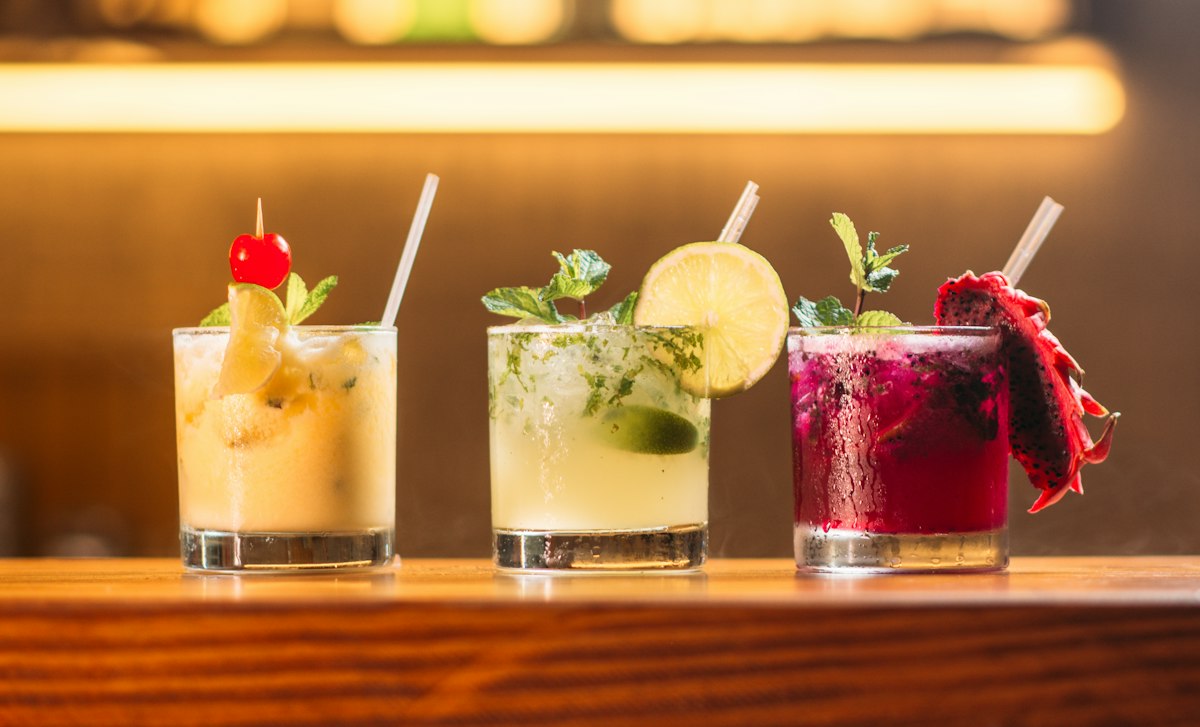
Alcohol doesn't turn directly into fat — but it does stop fat burning almost completely for as long as it's in your system. That's the key mechanism most people don't understand. Here's the full picture on how alcohol affects weight loss, and how to minimise the damage if cutting it out completely isn't realistic for you.
How Alcohol Affects Fat Burning
When you drink alcohol, your liver immediately prioritises metabolising it over everything else — including fat. This is because acetaldehyde (the toxic byproduct of alcohol metabolism) needs to be cleared from the body as quickly as possible. Fat oxidation essentially pauses until your blood alcohol returns to zero.
This is the core problem with alcohol and fat loss. It's not that alcohol directly converts to body fat (very little does) — it's that while your body is processing alcohol, the fat that would normally be burned for energy gets stored instead. A night of moderate drinking can halt fat burning for 12–24 hours.
Alcohol Calories: The Hidden Numbers
| Drink | Serving | Calories | Notes |
|---|---|---|---|
| Regular beer | 330ml can | ~140 kcal | 3–4 pints = 560–700 kcal from beer alone |
| Light beer | 330ml can | ~100 kcal | Better option but still adds up quickly |
| Wine (red/white) | 175ml glass | ~130 kcal | A bottle = ~600 kcal |
| Prosecco / Champagne | 125ml glass | ~90 kcal | Lower calorie wine option |
| Vodka / Gin (single) | 25ml | ~55 kcal | The spirit alone — mixers add 80–150 kcal |
| Vodka + soda water | Single + 200ml | ~55 kcal | Lowest calorie cocktail option |
| Rum & Coke | Single + 150ml | ~170 kcal | Diet Coke version: ~55 kcal |
| Margarita | Standard cocktail | ~250 kcal | Sugar + triple sec adds heavily |
| Pina Colada | Standard cocktail | ~400 kcal | One of the highest-calorie cocktails |
| Whisky / Bourbon (single) | 25ml | ~55 kcal | Neat or on ice — no mixer calories |
A "night out" with 4–6 drinks easily adds 500–900 calories — on top of whatever you eat. Drunk food choices (pizza, kebabs, chips) typically add another 800–1,200 calories. A single weekend night can add 1,500–2,000+ calories above your normal intake, wiping out an entire week of calorie deficit.
Secondary Effects on Weight Loss
Sleep Disruption
Alcohol fragments sleep architecture, suppresses REM sleep, and causes multiple night wakings even when you feel like you slept well. This drives hunger hormone dysregulation the following day — ghrelin rises, leptin falls — causing you to eat an average of 433 extra calories the day after drinking. See our sleep and weight loss guide for the full picture on how sleep affects fat loss.
Reduced Inhibition → Worse Food Choices
Alcohol impairs the prefrontal cortex — the brain region responsible for rational decision-making and impulse control. This is why drunk food choices are almost always high-calorie, high-fat, and high-sugar. The calories from late-night eating after drinking often exceed the calories from the alcohol itself.
Cortisol Elevation
Alcohol raises cortisol, which drives visceral fat storage and muscle breakdown. Regular heavy drinking chronically elevates cortisol, creating a hormonal environment that actively works against belly fat reduction.
Muscle Protein Synthesis Reduction
Alcohol reduces muscle protein synthesis by up to 37% for up to 24 hours post-consumption. If you're strength training, this directly undermines muscle growth — and since muscle mass is the primary driver of resting metabolic rate, this compounds over time into a measurably slower metabolism.
Best and Worst Drinks for Weight Loss
| Category | Best Choices | Worst Choices |
|---|---|---|
| Spirits | Vodka soda, gin & tonic (slim), whisky neat | Pre-mixed cocktails, cream liqueurs |
| Wine | Dry white, champagne/prosecco, dry red | Sweet dessert wine, mulled wine |
| Beer | Light beer, low-alcohol beer | Craft IPAs, stouts, beer cocktails |
| Cocktails | Vodka soda + lime, gin & slim tonic, dry martini | Margarita, mojito, pina colada, long island iced tea |
How to Drink Without Wrecking Progress
- Budget the calories in advance — if you're going out Friday, eat lower-calorie meals throughout the day to create a buffer. Don't try to "make up" for it afterward.
- Choose spirits with zero-calorie mixers — vodka soda, gin slim tonic, or whisky on ice are the lowest-calorie options that still feel like a real drink
- Eat before drinking — food slows alcohol absorption, reduces intoxication (so you drink less), and is less likely to be a late-night kebab
- Alternate with water — one drink, one glass of water. Cuts intake in half and reduces hangover
- Set a drink limit before you go out — decide on 2–3 drinks before you start, not halfway through the night when your judgment is already impaired
- Avoid drinking on an empty stomach — this leads to faster intoxication and much worse food decisions later
- Keep it to 1–2 nights per week maximum — the fat burning halt is the key issue; the fewer nights your metabolism is disrupted, the better